
Latest Posts
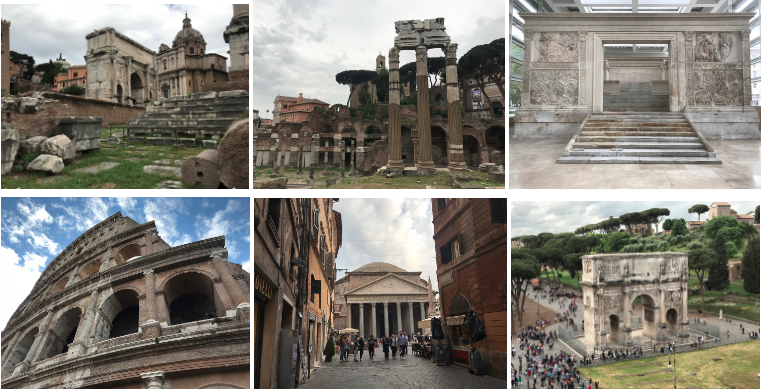
A History of Ancient Rome in 10 Buildings
This article introduces the first ten of my fifteen buildings, which range in date from the foundation of Rome to the collapse of the Western Roman Empire.
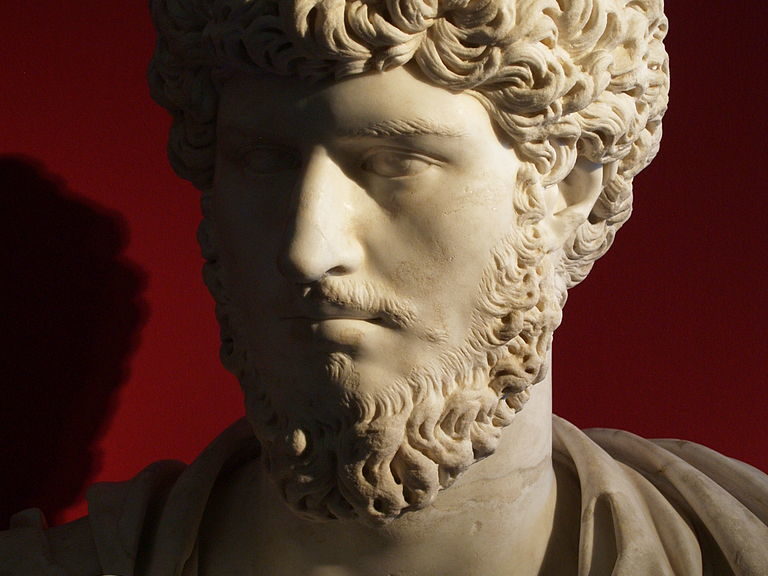
10 Self-Help Tips from a Roman Emperor
Looking for some ancient wisdom to guide your life? Consider reading Marcus Aurelius’ Meditations.
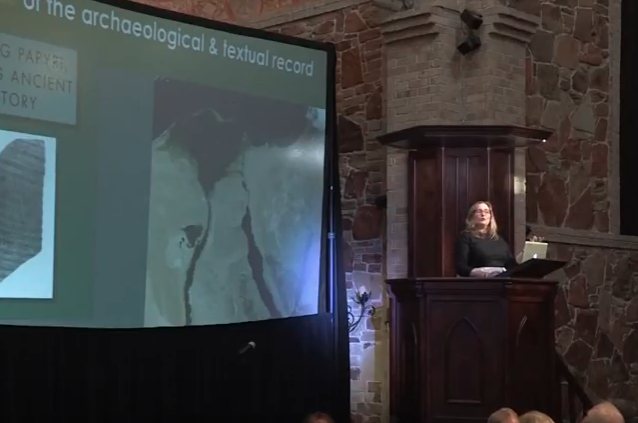
The Search for Early Christian Egypt: Archaeology and the Treasures of the Desert
How did Christianity reach Egypt? What are the earliest fragments of the New Testament found in Egypt? What can archaeology tell us about when Christianity replaced the older Egyptian religion?
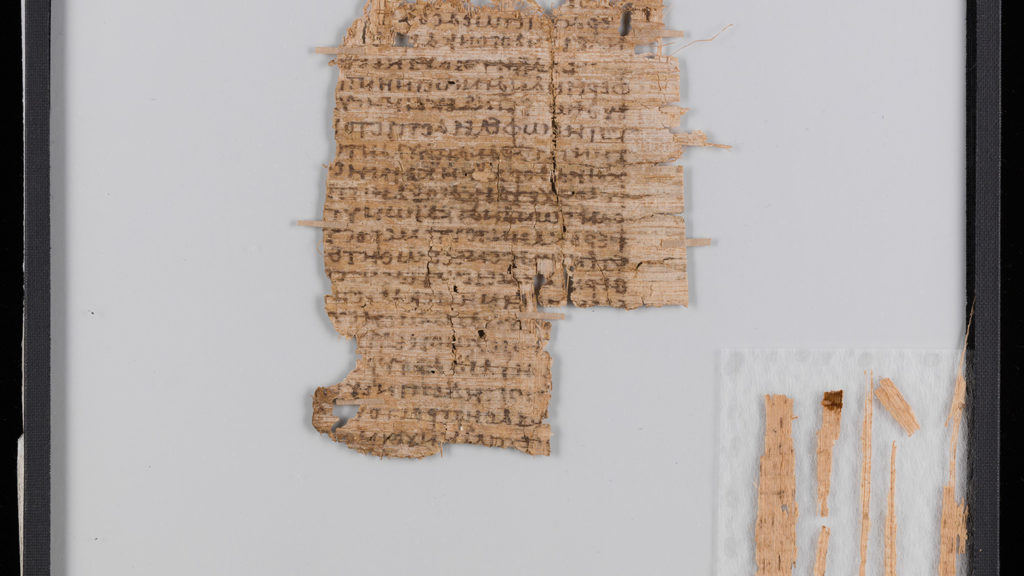
Basel papyrus is an ancient medical text, researchers find
Since the 16th century, Basel has been home to a mysterious papyrus. With mirror writing on both sides, it has puzzled generations of researchers.
Spells, charms, erotic dolls: love magic in the ancient Mediterranean
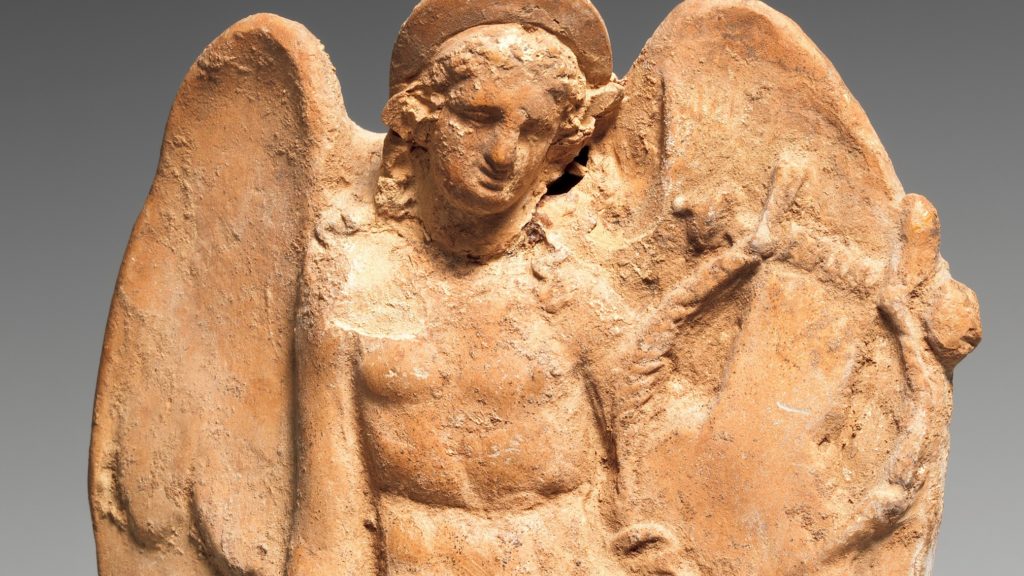
Erotic spells were a popular form of magic. Professional magic practitioners charged fees for writing erotic charms, making enchanted dolls (sometimes called poppets), and even directing curses against rivals in love.
Pliny the Elder’s History: Recording the past in the Naturalis Historia
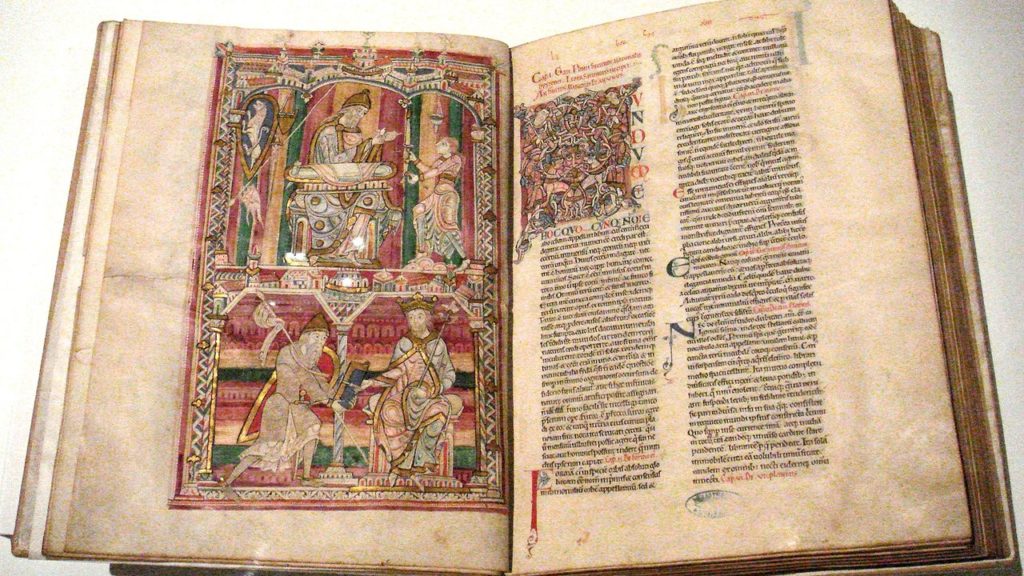
Pliny’s Naturalis Historia is remarkable for its references to its sources throughout the text.
Guide to the classics: the Epic of Gilgamesh
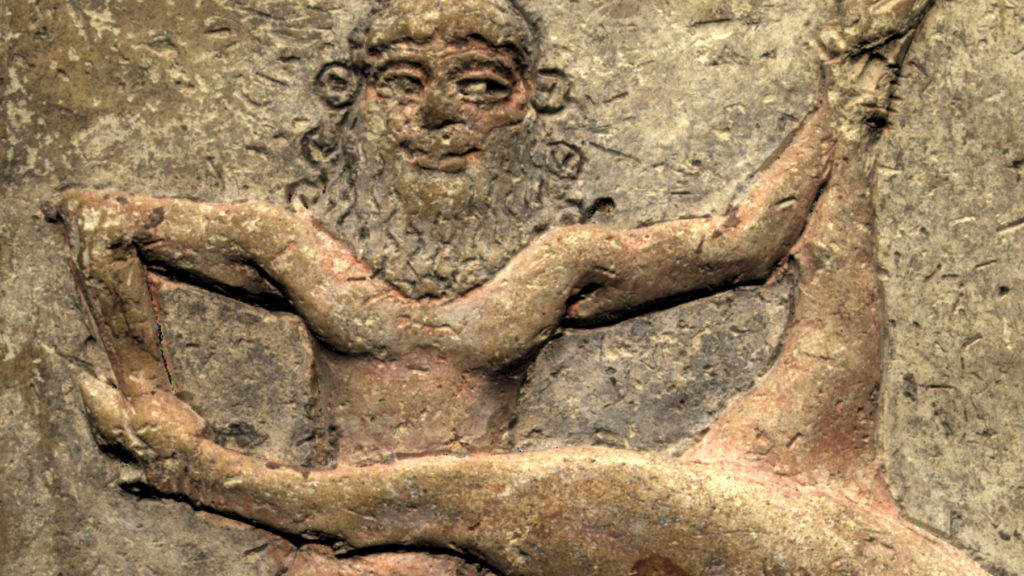
To what might we owe this modern-day cultural amnesia surrounding one of the world’s greatest works of ancient literature?
Rome’s Flaminian Obelisk: an epic journey from divine Egyptian symbol to tourist attraction
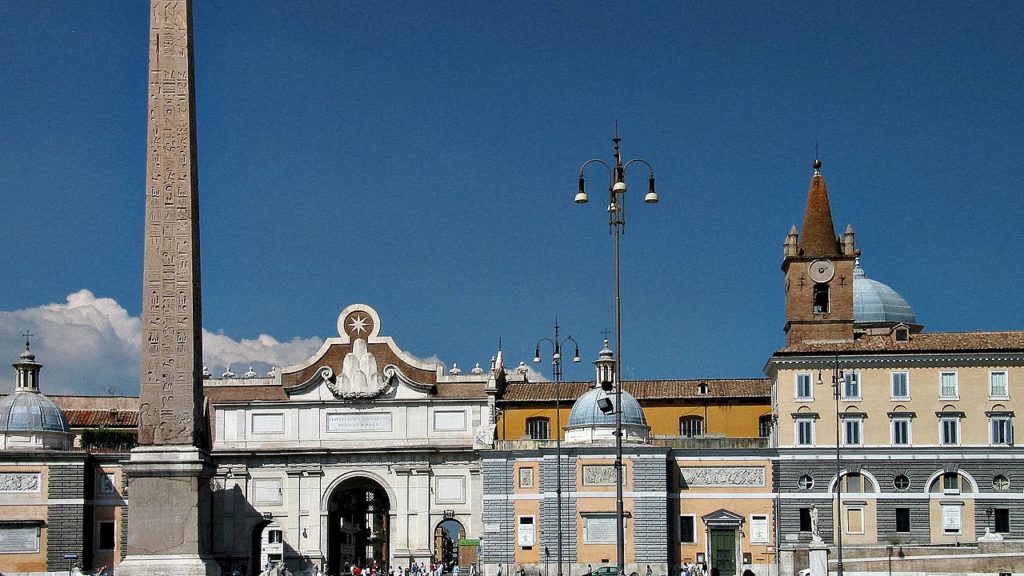
The Flaminian Obelisk was carved at the height of Egypt’s New Kingdom, during the reign of Seti I (1290 to 1279 BCE), the father of Ramesses the Great.
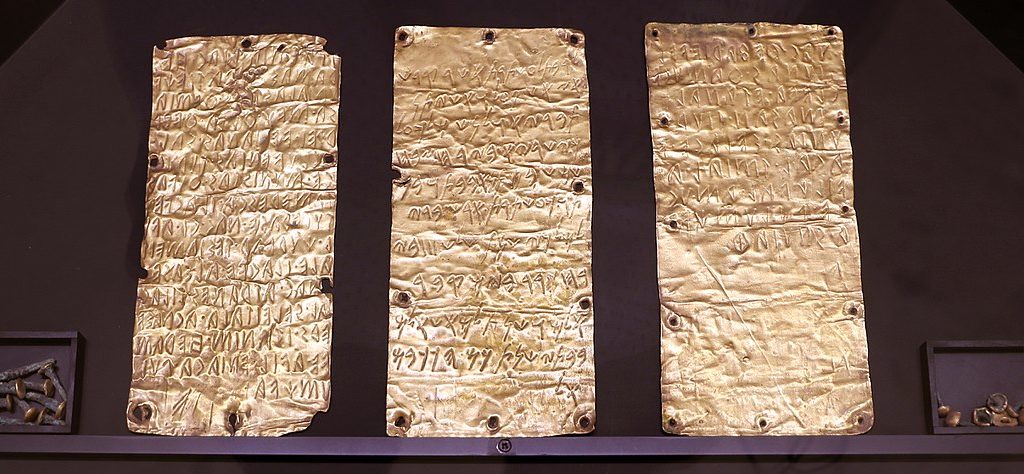
Religions of Ancient Italy
A necessary starting point is a brief overview of the problems connected with the nature of our sources, which include literary, material, and epigraphical evidence.
TravelAll posts
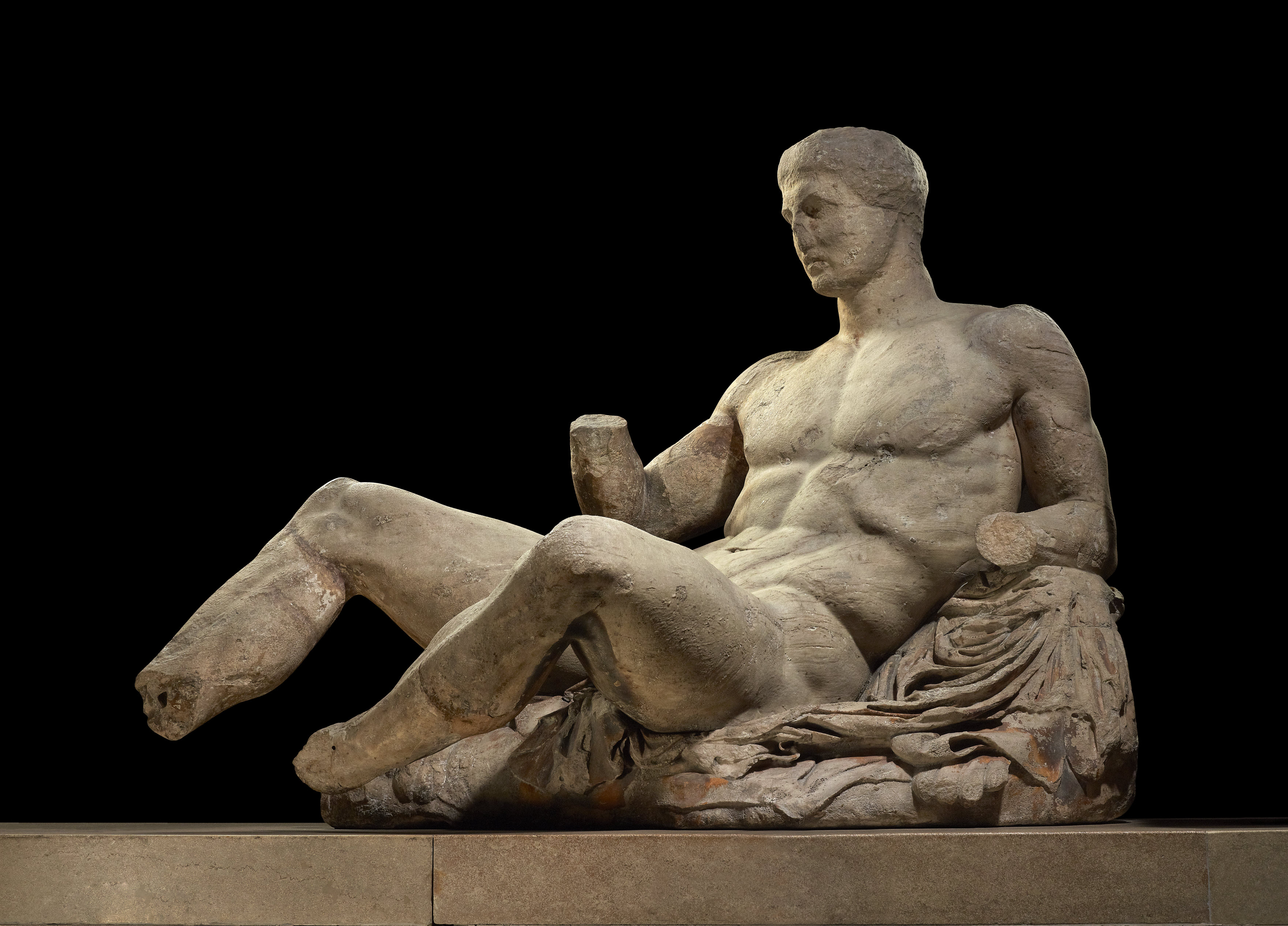
EXHIBITS – Defining Beauty: The Body in Ancient Greek Art
My review of the British Museum’s – Defining Beauty: The Body in Ancient Greek Art which explores daily life, gender, sexuality, athleticism, heroism, and the social and political ideologies the Greeks espoused through their views on the human form.
NewsAll posts
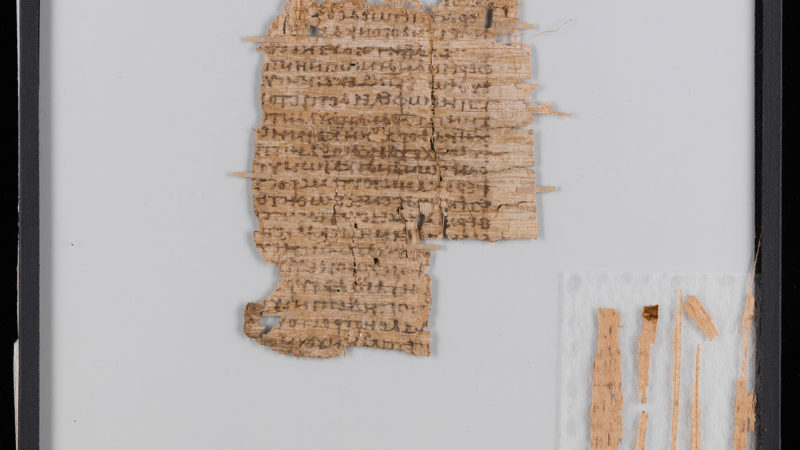
Basel papyrus is an ancient medical text, researchers find
Since the 16th century, Basel has been home to a mysterious papyrus. With mirror writing on both sides, it has puzzled generations of researchers.
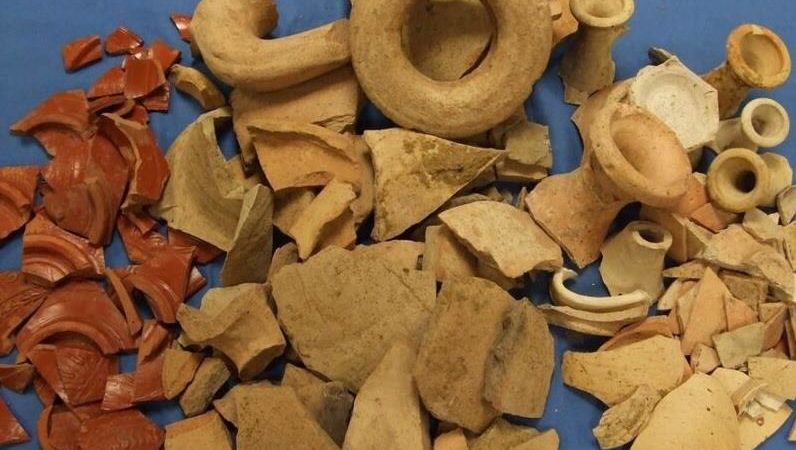
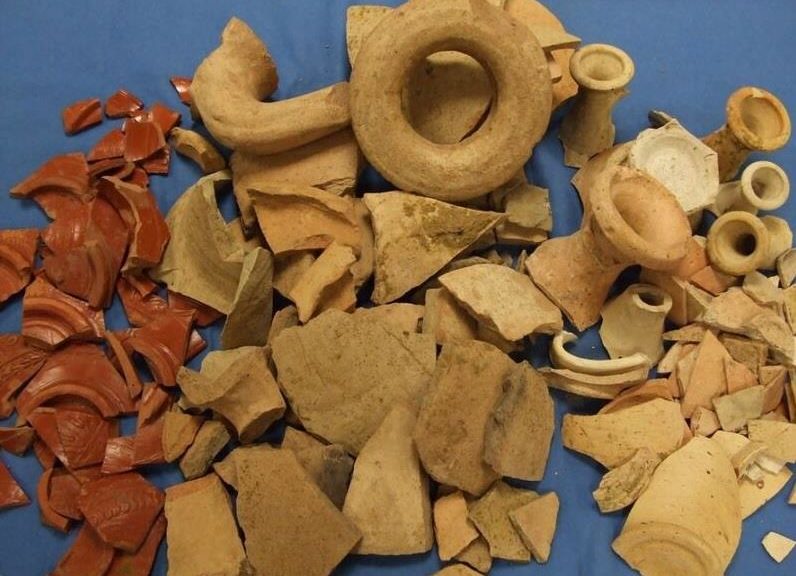
Research network sheds new light on drinking and eating habits in the Roman world
The landmark 50th issue of the journal Internet Archaeology is featuring pioneering research that is investigating new ways of analysing millions of Roman artefacts associated with the consumption of food and drink.
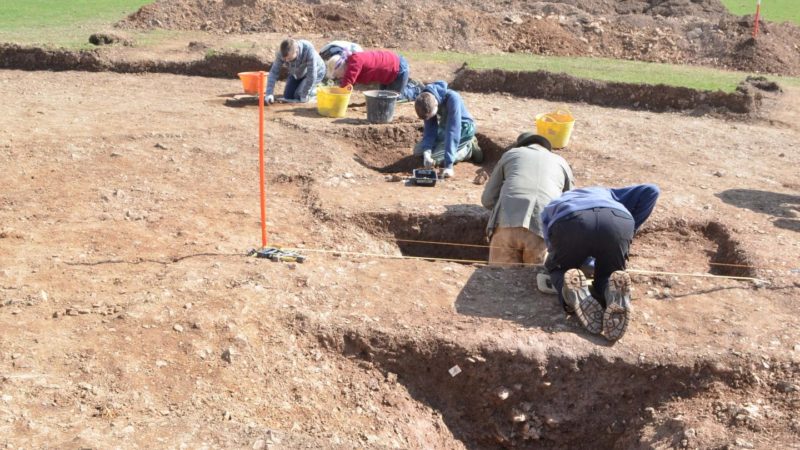
Ancient human remains and a medieval mystery unearthed in southern England
Excavation of a Bronze Age burial mound in south west England leads to the discovery of an intact 4,000 year old human cremation as well as evidence of unaccountable activity from the medieval period on the same site.
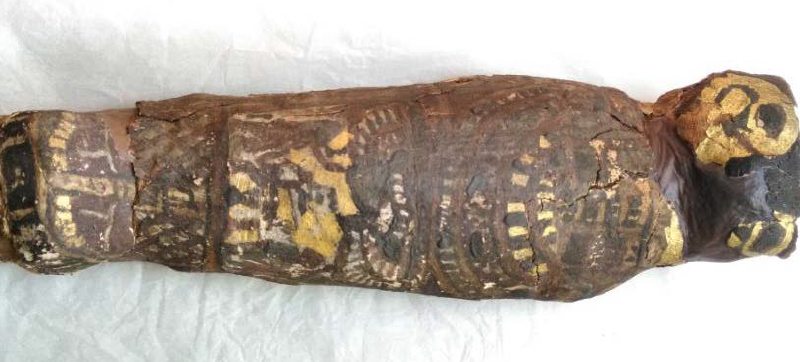
2,100-year-old ‘hawk’ mummy actually a stillborn baby, scan reveals
A tiny Egyptian mummy long believed to be that of a hawk is actually a rare example of a near-to-term, severely malformed fetus
BooksAll posts

BOOKS: Hot New Ancient History Releases!: January
If improving your reading is your goal for 2016, you’ve come to the right place! Here are our hot new ancient history releases for January!

New Releases: Ancient Books for the Holiday Season!
A few new releases for the historian on your shopping list!
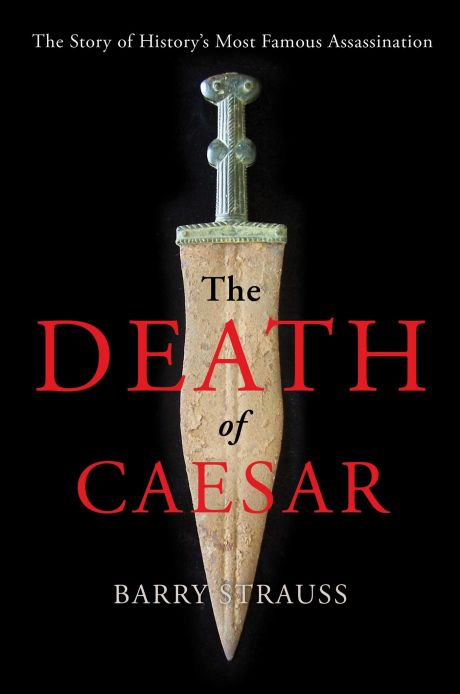
The Death of Caesar: New Light on History’s Most Famous Assassination
Barry Strauss talks about his new book The Death of Caesar: The Story of History’s Most Famous Assassination.

The Tears of Re: Beekeeping in Ancient Egypt
In these four videos, Gene Kritsky, author of The Tears of Re, talks about beekeeping in Ancient Egypt
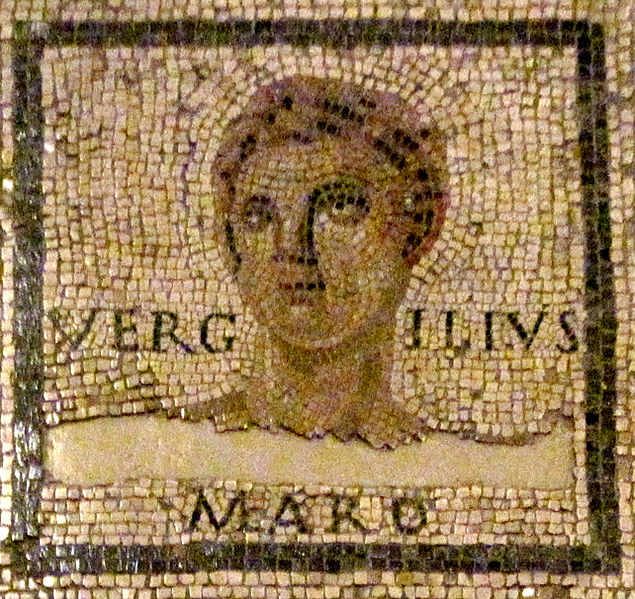
New Open Access Book on Vergil’s Political Commentary
Leendert Weeda examines Vergil’s political views by analyzing the whole of the poet’s work and introduces the notion of the functional model, which suggests that the poet does not primarily have a literary objective, but a functional one.
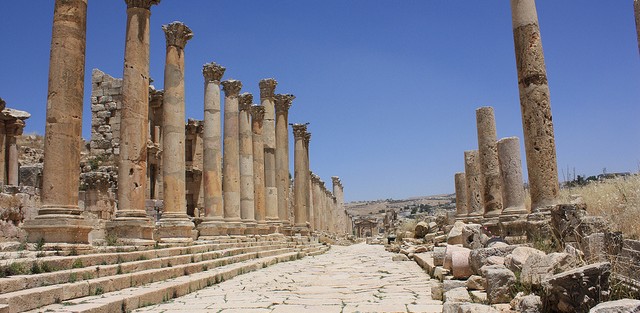
Fall of Roman Empire can be explained by biology, researcher says
Forget the Vandals – the fall of the Roman Empire can be explained by biology, according to a new book.